Best Online Learning Platforms in 2026 (Honest Comparison)
Not every platform fits every goal. Compare certificates, pricing models, and employer recognition before you enroll.

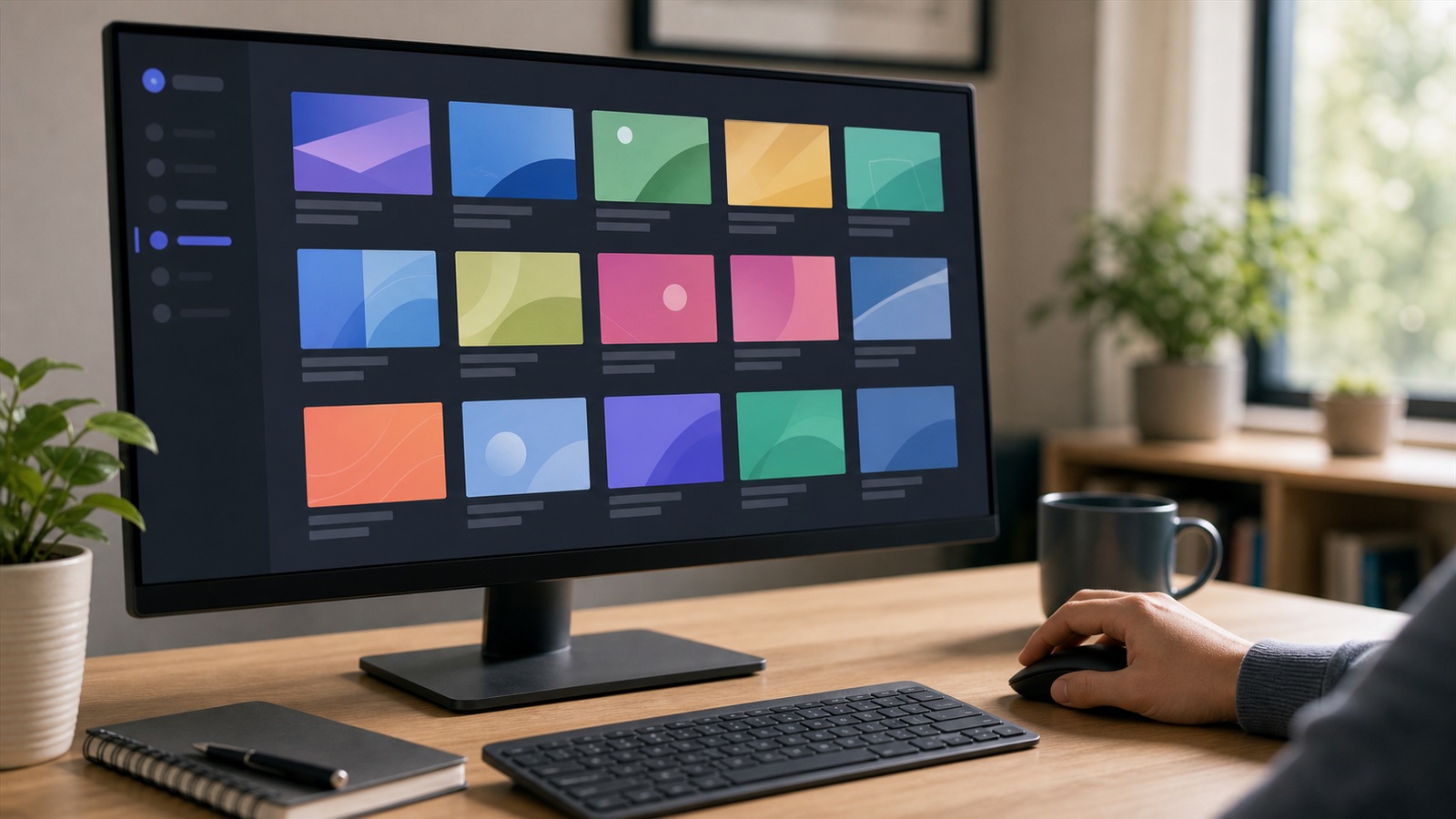
Student browsing online learning platforms on laptop
Contents
Evaluation rubric
| Option | Best for | Price | Editor score |
|---|---|---|---|
| Coursera | Accredited paths | Free audit–$59/mo | 9.2/10 |
| Udemy | Skill bursts | Per course ~$15 | 8.8/10 |
| LinkedIn Learning | Career polish | From $30/mo | 8.5/10 |
| Skillshare | Creative skills | From $14/mo | 8.1/10 |
Platform types and who they fit
University-partner platforms offer credentials employers recognize — slower, more rigorous. Marketplace platforms offer breadth and frequent sales — quality varies by instructor.
Subscription libraries suit explorers learning multiple adjacent skills. Single-purchase courses suit focused upskilling with a defined outcome.

In plain English
Coursera and edX suit accredited academic paths; Udemy and Skillshare fit skill-specific bursts; LinkedIn Learning integrates with professional profiles; choose based on completion format, not catalog size.
Evaluation notes
- Pick courses with hands-on projects, not lecture-only marathons.
- Block calendar time before buying — unused subscriptions teach nothing.
- Prefer platforms with clear syllabi and recent update dates.
- One completed course beats three abandoned ones every time.
Frequently asked questions
Are certificates worth putting on resumes?
University-backed certificates carry more weight than generic completion badges. Portfolio projects often matter more in technical fields.
Free vs paid — real difference?
Paid usually unlocks graded assignments, certificates, and instructor Q&A. Free audits work for knowledge-only goals.
Are platform certificates recognized by US employers?
Varies wildly by field — tech and data roles often accept project proof; regulated professions may require accredited programs. Search job posts in your city for platform names before enrolling.
Is a monthly subscription or single course cheaper?
Subscriptions win if you finish multiple courses quickly; single purchases win if you need one focused skill and tend to drift. Set a calendar reminder to cancel trials.
Matching credentials to hiring reality
Certificates prove completion, not competence. Pair platform badges with internal projects — a portfolio piece, a shadow shift, a graded presentation — before tying completion to promotions. Hiring managers trust demonstrated work samples over logo rows on LinkedIn.
For regulated skills, verify whether third-party accreditors recognize the platform certificate. Generic digital badges may still help career changers show initiative but will not replace licensed credentials where law requires them.
Budget maintenance learning, not only onboarding. Skills decay; subscriptions should include refresh paths and updated content release notes you review quarterly. Refresh LMS renewal criteria when course catalogs change — last year's pick may lack updated modules.
Choosing cohort courses when life is already full
Cohort programs trade flexibility for accountability — live sessions, peer pressure, and fixed start dates. They work when you protect calendar time upfront and thrive on discussion. Self-paced libraries win when your schedule shifts weekly and you learn in bursts at midnight. Be honest about which person you are before paying premium cohort tuition.
Hybrid models — async video plus weekly office hours — suit working US adults well. You skip commute but still have a human to unstick you. Ask how many students each teaching assistant supports; ratios above thirty-to-one mean slow feedback. Trial a free module and measure how long you wait for a graded assignment return.
If you have failed two self-paced courses already, do not buy a third identical format hoping willpower appears. Switch structure, not just brand. Employer reimbursement may push cohort paths — negotiate start dates after known crunch periods at work. Completion is the ROI metric; catalog depth is marketing.
Sources and further reading
Sources
ToolSkillGuide Editorial
Reviewed for accuracy · Updated Jun 16, 2026
Independent research on software and digital skills for US readers. Updated regularly, structured for real decisions.



Up next
Best Cybersecurity Certificates You Can Earn Online in 2026