AI Phishing Scams in 2026: How to Protect Your Business
Recent enforcement actions highlight massive AI-assisted SMS and email scams. Here is a practical defense guide for US small businesses.

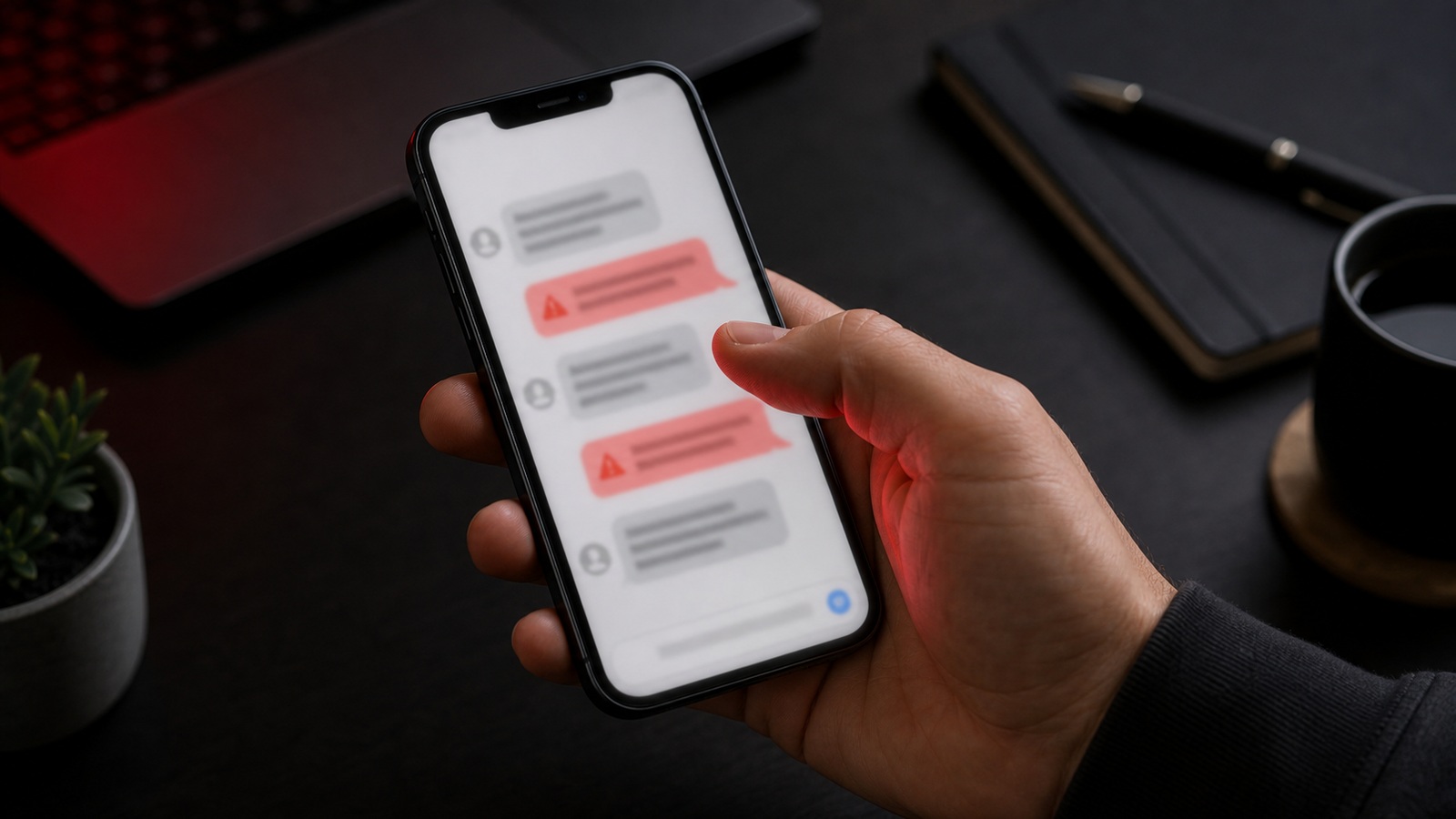
Warning about AI generated phishing email on screen
Contents
The email looked perfect — your vendor logo, the CFO tone, a plausible reference to last week invoice thread. Only the routing number changed. AI-generated phishing in 2026 removes telltale typos while adding personalization at scale. Small businesses are targets because they move fast and verify slowly. AI-generated phishing reads cleaner and targets faster — but delivery still rides on email, SMS, and voice channels you can harden with basics. Combine technical controls with rehearsal so employees recognize urgency tricks even when grammar is perfect. Assume your vendor impersonation test will fail the first time; fix the process, not just the person who clicked.
Immediate actions
- Verify payment changes by phone using known numbers — never reply to the email thread.
- Enable MFA on email, banking, and admin consoles without exceptions.
- Train staff on hyper-personalization and perfect grammar as red flags, not green ones.
- Run tabletop exercises for BEC scenarios quarterly.
How AI changed phishing
Generative tools craft convincing messages in multiple languages and mimic writing styles from scraped profiles. Voice cloning adds phone-channel attacks that bypass email filters entirely.
Defense layers that fit small teams
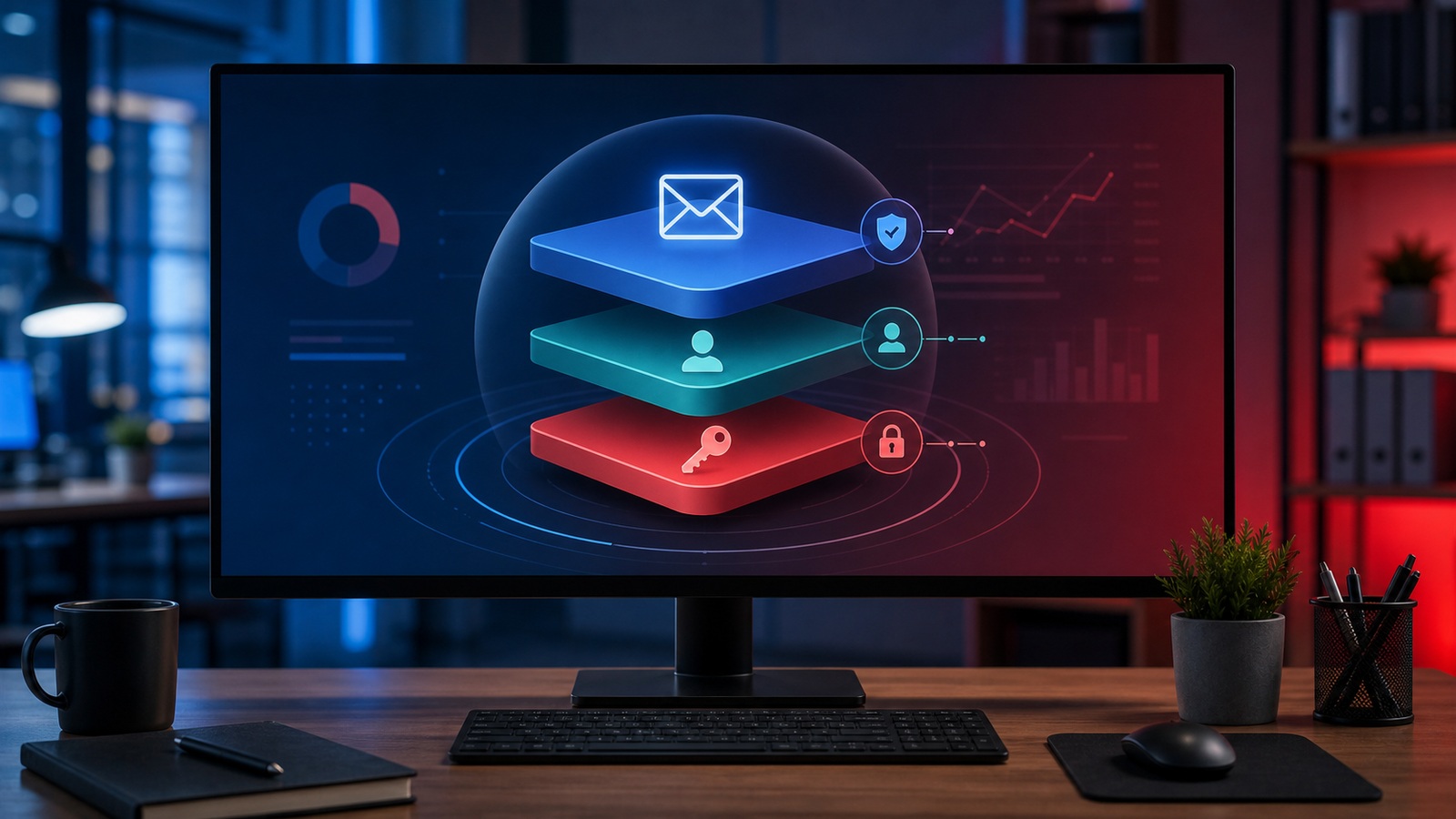
Technical: SPF, DKIM, DMARC, email gateway filtering, endpoint protection. Human: verification callbacks, dual approval for transfers, clear escalation when someone pressures you to skip process.
Common questions
Is MFA enough?
Necessary but not sufficient. Prefer phishing-resistant methods for admin accounts where available.
How often to train?
Short monthly touchpoints beat annual videos. Rotate SMS and voice scenarios.
What about SMS phishing?
Smishing grows with AI personalization. Never click unexpected text links; verify via official apps.
How often should we run phishing simulations?
Quarterly for most small businesses, with immediate micro-training when someone clicks. Monthly drills help high-risk teams handling payments or credentials daily.
Are AI-written phishes impossible to detect?
No — they still use fake domains, odd links, and urgency. Technical signals plus callback procedures beat trying to spot grammar mistakes.
When someone clicks anyway
Isolate device, reset credentials, notify bank within minutes for wire fraud, preserve headers for reporting. Speed matters more than blame in the first hour.
When voice cloning meets accounts payable
AI-generated voice notes now imitate executives requesting urgent wires. Accounts payable should verify payment changes through a callback to numbers in the official directory — never numbers in the email or voicemail. Document verification steps where approvers see them daily, not buried in policy PDFs.
Train finance separately from general phishing simulations. AP staff face targeted pretense distinct from credential harvesting links. Quarterly tabletop walks through a fake CEO voice memo scenario and records where process broke.
Delay large transfers with a cooling-off rule when requests arrive via new channels. Legitimate leaders accept security friction; scammers pressure urgency. Review wire-fraud drill outcomes before renewing security awareness subscriptions you never open.
Reporting culture beats annual training alone
Employees hide clicks when shame follows mistakes. Replace punishment with fast reporting rewards — IT triage within minutes, no lecture. Early reports contain blast radius; late silence spreads compromise.
Publish anonymized near-miss stories internally. Real examples beat stock photos of hooded hackers. Include what looked convincing and which clue finally triggered doubt. Keep phishing reporting steps in the same wiki article customer support pins in Slack.
Measure report volume and time-to-containment, not only training completion. Rising reports often mean growing trust, not worsening security. List DNS revert steps before pointing production email through a new hosting stack.
SPF, DKIM, and DMARC for teams without a full IT shop
Email authentication stops many spoofed messages before humans see them. SPF lists which servers may send mail for your domain; DKIM signs messages cryptographically; DMARC tells receivers how to handle failures and sends you aggregate reports. DNS looks intimidating, but your registrar or email host often provides copy-paste records — implementation takes an afternoon, not a certification.
Start with monitoring mode on DMARC before enforcement. Reports reveal legitimate senders you forgot — payroll, CRM, newsletter tools — that need inclusion. Tighten policy gradually from none to quarantine to reject as confidence grows. US small businesses lose real money to CEO fraud that authentication would have blocked.
Pair DNS fixes with inbound filtering from your email provider's business tier. Free consumer Gmail lacks the admin controls growing teams need. Train finance separately on wire-transfer callbacks — authentication does not stop compromised real accounts. Phishing defense is layers, not a single shiny appliance.
Sources and further reading
Sources
ToolSkillGuide Editorial
Reviewed for accuracy · Updated Jun 16, 2026
Independent research on software and digital skills for US readers. Updated regularly, structured for real decisions.
Up next
Best Password Managers for Individuals and Teams (2026)