Budgeting Basics for Beginners: A Simple System That Works
Budgets fail from complexity, not lack of willpower. Start with one method and one weekly review habit.

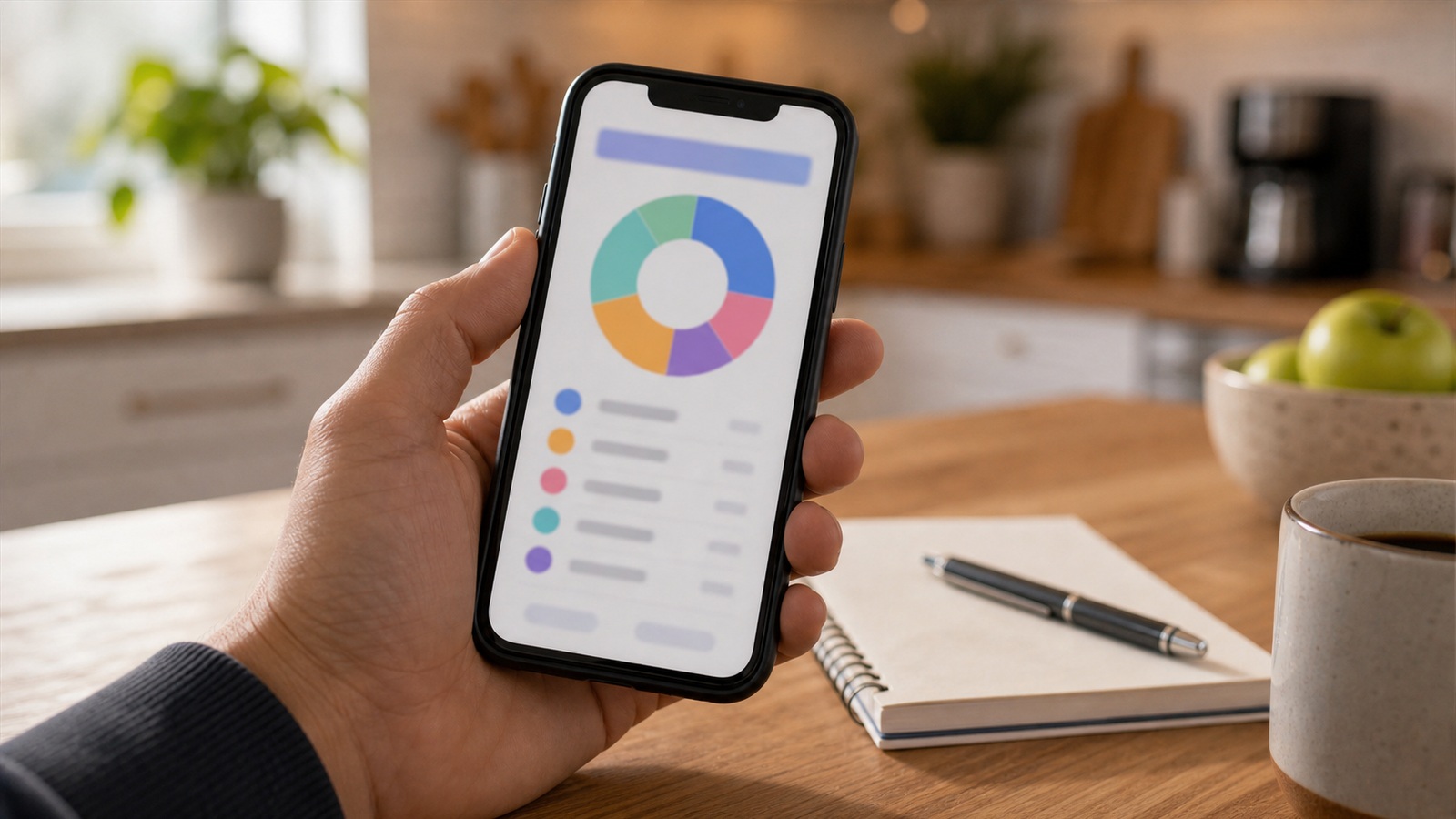
Beginner budgeting spreadsheet and mobile app
Contents
You downloaded a budgeting app, linked accounts, watched numbers scroll — and closed it. Not because you are bad with money, but because categories felt judgmental. Budgets fail from complexity before willpower. A budget is a plan for tradeoffs, not a moral scorecard. Start with what you actually spent last month — messy and real — then assign dollars on purpose before the next one begins. Systems that take twenty minutes weekly survive; systems that demand perfection do not.
Methods beginners finish
50/30/20 splits needs, wants, savings. Zero-based assigns every dollar a job. Envelope caps categories for overspenders. Pick one — switching monthly guarantees failure.
Weekly habits under fifteen minutes
Sunday review: compare actual to plan, note one surprise, adjust next week. Pair with a concrete goal like first $500 emergency fund.

Start here
Track every dollar one month without fixing anything, then pick 50/30/20 or zero-based budgeting and review fifteen minutes every Sunday.
Weekly habits
- Automate savings on payday — pay yourself first.
- Use one checking account for variable spending.
- Review subscriptions quarterly.
- Adjust categories instead of abandoning after one bad month.
Frequently asked questions
Which method is best for beginners?
Start with 50/30/20 if income is steady; use zero-based if you overspend in specific categories. The best method is the one you review weekly.
How much should I save first?
Build a $500–$1,000 starter emergency fund before aggressive debt payoff. Automate the transfer on payday so it happens before spending.
Envelope method or apps for beginners?
Use whichever you will open weekly — apps automate bank feeds; cash envelopes make limits visceral. Hybrid approaches work: digital for bills, envelopes for problem categories like dining.
How much should go to savings first?
Build a starter emergency fund — often one month of essential expenses — before aggressive debt payoff if your job is unstable. Stable W-2 workers may split between emergency and high-interest debt simultaneously.
Emergency funds alongside debt payoff
Paying debt while ignoring emergencies recycles borrowing when tires fail or hours drop. A starter thousand-dollar buffer — or one month bare expenses — often stabilizes faster than aggressive extra payments without cushion.
Define emergency narrowly: job loss, medical, essential repairs — not sales or vacations. Rename sinking funds for predictable irregular costs like car registration. Track which budget categories drifted so next month's review starts with data, not guesses.
High-yield savings separate from checking reduce impulse taps. Label the account literally Emergency so mental accounting holds. Review emergency-fund transfers after the first month and tighten categories that still leak.
Sinking funds for irregular expenses Americans forget
Car registration, annual subscriptions, holiday travel, and insurance premiums hit the same month and feel like emergencies — they are not. Divide annual amounts by twelve and transfer monthly into labeled savings buckets. Online banks with free sub-accounts make this painless; one checking pile hides truth until December panic.
Start with three sinking funds maximum so you do not admin yourself into quitting. Pick the categories that wrecked you last year — tires, vet bills, kid activities — and fund them before discretionary spending. When the expense arrives, pay from the bucket and feel competence instead of surprise.
Reconcile sinking balances quarterly against upcoming calendars. Life changes — new commute, new pet, moved states with different fee schedules. US household budgets fail on irregular hits more than daily lattes. Predictable irregularity is just math with patience.
Sources and further reading
Sources
Financial guides team
Reviewed for accuracy · Updated Jun 16, 2026
Independent research on software and digital skills for US readers. Updated regularly, structured for real decisions.



Up next
Credit Score Basics Explained (What Actually Moves Your Score)