Credit Score Basics Explained (What Actually Moves Your Score)
Credit scores are not mysterious — they reward on-time payments, low utilization, and long stable history.

Credit score report on financial dashboard
Contents
Evaluation rubric
| Option | Best for | Price | Editor score |
|---|---|---|---|
| Payment history | ~35% weight | On-time bills | 9.2/10 |
| Utilization | ~30% | Card balances | 8.8/10 |
| Length of history | ~15% | Age of accounts | 8.5/10 |
| New credit | ~10% | Hard inquiries | 8.1/10 |
A 720 and 620 look close, but on a $350,000 mortgage the interest difference can exceed $80,000 over thirty years. Credit scores are prediction models, not moral judgments — understanding levers beats daily score obsession. Credit scores reward consistent on-time payment and low utilization — not income or virtue. Understand which actions move FICO and VantageScore models in the US before you chase hacks that waste money. Check reports free at AnnualCreditReport.com and dispute errors with documentation, not credit repair spam.
What moves your score
Payment history ~35%, utilization ~30%, length ~15%, new credit and mix ~10% each. One missed payment hurts more than one on-time month helps.
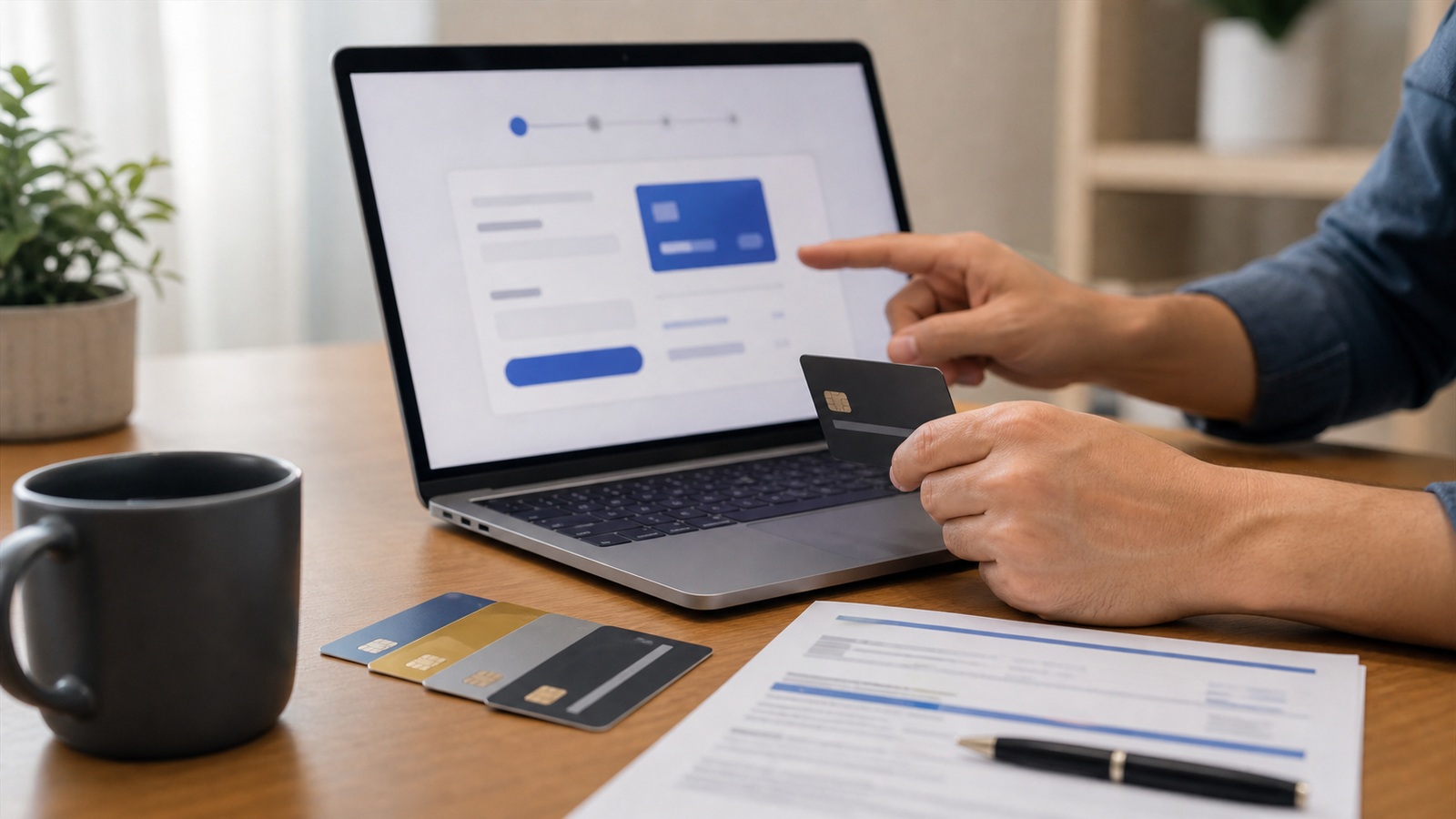
Myths that waste money
Repair companies cannot remove accurate negatives. Self-checks are soft inquiries. Carrying a balance is not required to build credit.

Score levers
Pay on time, keep utilization under 30 percent, avoid unnecessary new accounts, dispute errors on all three bureaus annually.
Credit habits
- Payment history dominates — autopay at least minimums.
- Request limit increases instead of maxing cards.
- Dispute inaccuracies on all three bureaus.
- Keep old accounts open unless fees outweigh age benefit.
Frequently asked questions
How fast can my score improve?
Paying down high utilization can move scores within one billing cycle. Removing errors takes 30–45 days per bureau dispute.
Should I close old credit cards?
Usually no — closing reduces available credit and average account age. Product-change to a no-fee card instead when possible.
Does checking my score lower it?
Soft checks you perform do not hurt. Hard inquiries from loan applications can ding temporarily — batch shopping for mortgages within a short window usually counts as one inquiry.
Should I carry a small balance to build credit?
No — pay in full by due date. Utilization is reported on statement dates; you can pay before the bill posts to keep reported balances low.
Disputing errors without credit repair scams
Pull reports from official annual sources and dispute inaccuracies in writing with bureaus and furnishers. Legitimate disputes are free; credit repair shops charge to send the same letters. Keep copies and certified mail receipts.
Medical and collection entries increasingly require validation — know timelines for removal when debts are paid or unverified. Document settlement agreements before paying partial amounts. Pull fresh credit reports on mobile and desktop portals — layout quirks hide dispute buttons.
Avoid new credit applications while disputing major errors near loan decisions. Inquiries are minor but uncertainty during underwriting invites scrutiny elsewhere in your file. Save credit report PDFs before filing disputes so you can compare bureau responses line by line.
Building credit when you are new to the US or starting fresh
Thin files confuse lenders — not enough history to score confidently. Secured credit cards, credit-builder loans, and becoming an authorized user on a responsible family member's account are common US starting paths. Avoid applying for six cards at once; hard inquiries stack and signal desperation.
Keep oldest accounts open when fees are zero — average age matters modestly but closing your first card hurts more than people expect. Use small recurring charges plus autopay full balance to prove activity without carrying debt. Utilization under thirty percent per card and overall is the habit most beginners miss.
If you immigrated recently, ask whether your bank reports to all three bureaus and whether alternative data — rent, utilities — applies to products you use. Patience measured in years, not weeks, defines thin-file building. Fraudulent quick-fix offers target newcomers; stick to regulated institutions.
Sources and further reading
Sources
Financial guides team
Reviewed for accuracy · Updated Jun 16, 2026
Independent research on software and digital skills for US readers. Updated regularly, structured for real decisions.



Up next
General Liability Insurance Explained for Small Business Owners